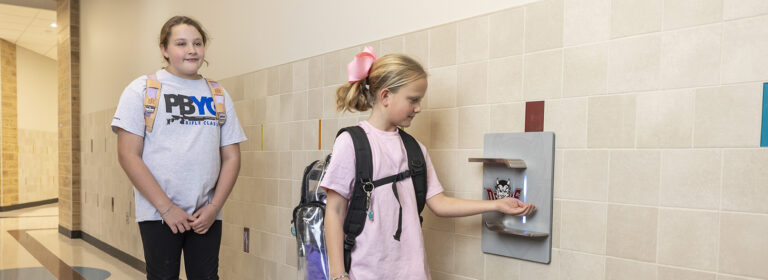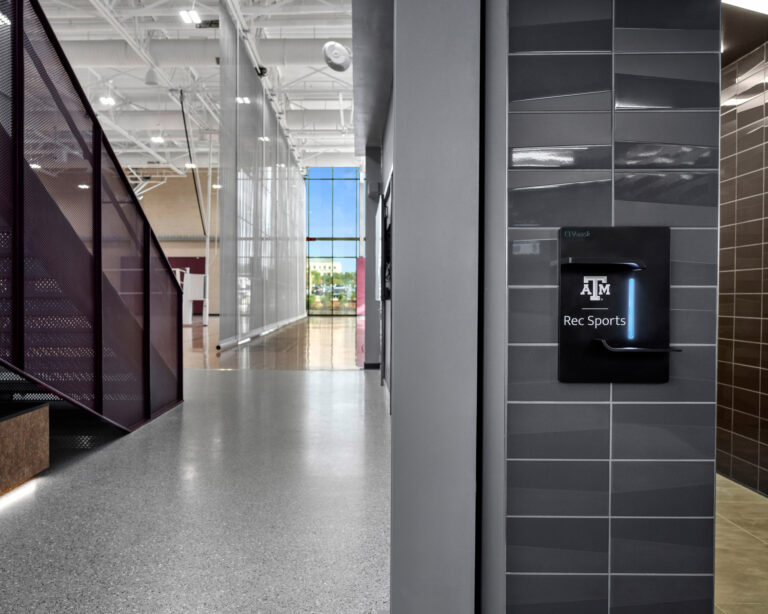


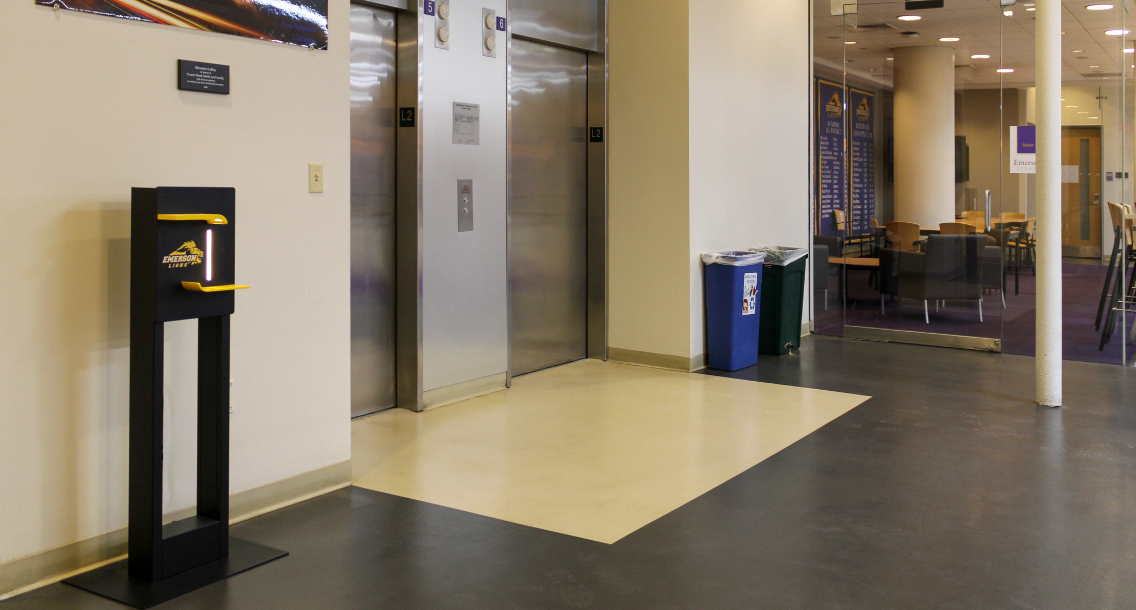
Jon Olsen | Vaask Founder Fall is an exciting time for parents and educators, as schools across the country welcome students back into the classroom. Itâs the season for lesson planning, cooler weather and gearing up for football. Unfortunately, itâs also the season for what some parents and teachers refer to as “back-to-school plague.â Trends from recent years have schools on the lookout for a surge in seasonal viruses. Health officials are warning the âtripledemicâ of flu, RSV and COVID-19 could be back again this year. School administrators, from the elementary school level through college, are seeking strategies to keep classrooms full of healthy students and educators. Fortunately, one of the most effective methods for combating the spread of illness is readily available. Practicing good hand hygiene has been shown to significantly reduce absenteeism among students and staff. Keeping students in the classroom Schools are hoping to avoid a repeat of one of the worst flu seasons in recent years, which kept high numbers of students and staff home sick. The levels of absenteeism were so highâaround 25% to 30%âschools across the U.S. were forced to close to control outbreaks. Things got so bad in Kentucky, more than 50 schools ended up closing during the height of the flu season. Missing school hurts students of all ages because it can cause them to fall behind academically. Even if they are learning remotely, not being in the classroom also results in social, emotional and mental health problems. Schools also suffer when students stay home. Funding for most K-12 schools in the U.S. is based on enrollment and attendance figures. When students stay home, schools lose out financially. Needing to hire high numbers of substitute teachers can also strain school budgets. Combating âBack-to-Schoolâ plague Keeping students and staff healthy while surrounded by a stew of viruses can be a daunting task. Because of its proven effectiveness, schools are trying to be more proactive about encouraging good hand hygiene. Increasingly, schools are including hand hygiene instruction as part of the curriculum, to good results. Children at Lee Elementary in Austin, Texas, were taught to take responsibility for sanitizing and cleaning their hands as well as their classroom. Principal Caitlin Sileo knew excellent hygiene habits needed to become second-nature if they were to achieve their goal of 98 percent attendance. âKids are now much more germ-aware,â Sileo said. âWe have worked to create a culture of good habits.â College students could learn a thing or two from their younger counterparts. One study at a university in Ohio showed poor hand hygiene was linked to higher incidents of illness, medical visits and missed classes. Using a two-pronged approach to a tripledemic The most effective hygiene strategy makes use of both hand washing and hand sanitizer to keep germs at bay. Studies have shown this approach leads to lower levels of absenteeism due to upper respiratory infections. One Spanish study showed a 38 percent lower risk of children missing school from respiratory infections when they used soap and water as well as hand sanitizer. The Centers for Disease Control (CDC) recommends washing hands with soap and water as a first line of defense. But there are many high-touch areas without access to a sink, particularly in schools, such as in classrooms, cafeterias and entryways. Even when sinks are available, the reality is that most studentsâas well as teachersâare not always washing their hands to the tune of âhappy birthday.â Having hand sanitizer readily available encourages students to clean their hands more frequently. That was the case after Gossett Elementary in Rankin, Texas, installed Vaaskâ hand sanitizer dispensers at strategic touch points throughout the school. âThe kids were very enthusiastic about using them from the beginning,â Vice Principal Lisa Williams said. âEvery time a student came across one, they would put their hand in there for a squirt.â Making hand hygiene irresistible Making hand sanitizer available doesnât mean a dispenser has to be within reach every time a student takes a few steps. Strategically placing them in high-traffic areas, such as entryways, near restrooms and in eating areas, helps encourage their usage. It also helps when dispensers are permanent, reliable and attractive. Texas A&M University students have enthusiastically embraced the recessed Vaask fixtures placed throughout their newest recreation center. An LED light on the front of the dispenser attracts students and reminds them to clean their hands. Comments about the dispenser on social media confirm they are being put to good use. One student gushed that they âuse the dispensers all the time,â while another said, âI ⊠can confirm these are awesome.â Broken dispensers donât kill germs But schools have to do more than simply install dispensersâthe devices have to actually operate consistently. Too often, users place their hand under a dispenser only to discover it is broken or empty. In a school environment, fixtures that are designed to be reliable and withstand frequent, heavy use are necessary to keep students and staff safe. Touchless dispensers offer another layer of protection from the spread of germs. Those features led Stanford Nance, senior associate athletics director at Emerson College in Boston, to install Vaask in the schoolâs athletic building. âThese dispensers will last forever, and itâs great that you just put your hand under it without having to touch anything,â he said. Ready to see Vaask in action? Sign up for a product demo or explore our videos page.